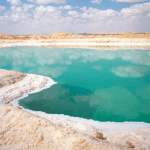

The Western Desert of Egypt is often described as otherworldly, and for geologists, it truly is a dream landscape. From prehistoric fossils to bizarre natural sculptures carved by wind and time, the desert is a vast open-air museum of Earth’s history. Whether you’re a seasoned scientist, an amateur rock collector, or simply a curious traveler, the region offers endless wonders hidden beneath its sands.
A Window into Prehistoric Seas
Millions of years ago, much of what is now desert was covered by ancient seas. The most famous evidence lies in Wadi Al-Hitan (Valley of the Whales). This is a UNESCO World Heritage Site where 40-million-year-old fossils of early whales are preserved. These skeletons capture a critical stage in evolution when mammals transitioned from land to sea. Fossilized shark teeth, sea shells, and even mangrove roots can also be found across Fayoum and other desert areas. These remind us that this arid land was once teeming with marine life.

The Sculpted Wonders of the White Desert
Perhaps the most iconic geological treasure of the Western Desert is the White Desert National Park. Here, massive chalk formations rise like frozen waves or surreal sculptures. Wind and sand erosion have shaped the limestone into forms resembling mushrooms, camels, sphinxes, and even entire castles. The area is a natural playground for photographers and a geological record of sedimentary rock shaped over millennia.
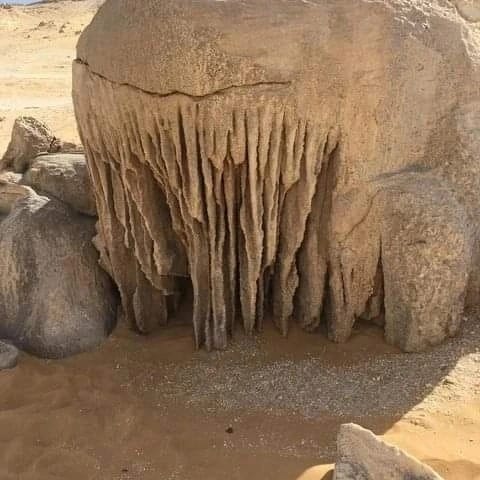
Crystal and Black Deserts: Contrasting Landscapes
Not far from Bahariya, the Crystal Mountain glitters with quartz and calcite crystals embedded in rocky ridges. It serves as a reminder of the desert’s mineral wealth. Meanwhile, the nearby Black Desert contrasts starkly, with volcanic hills and dark basalt stones scattered like ashes across golden sands. Together, these landscapes highlight the geological diversity of the region and make it a magnet for students and researchers.
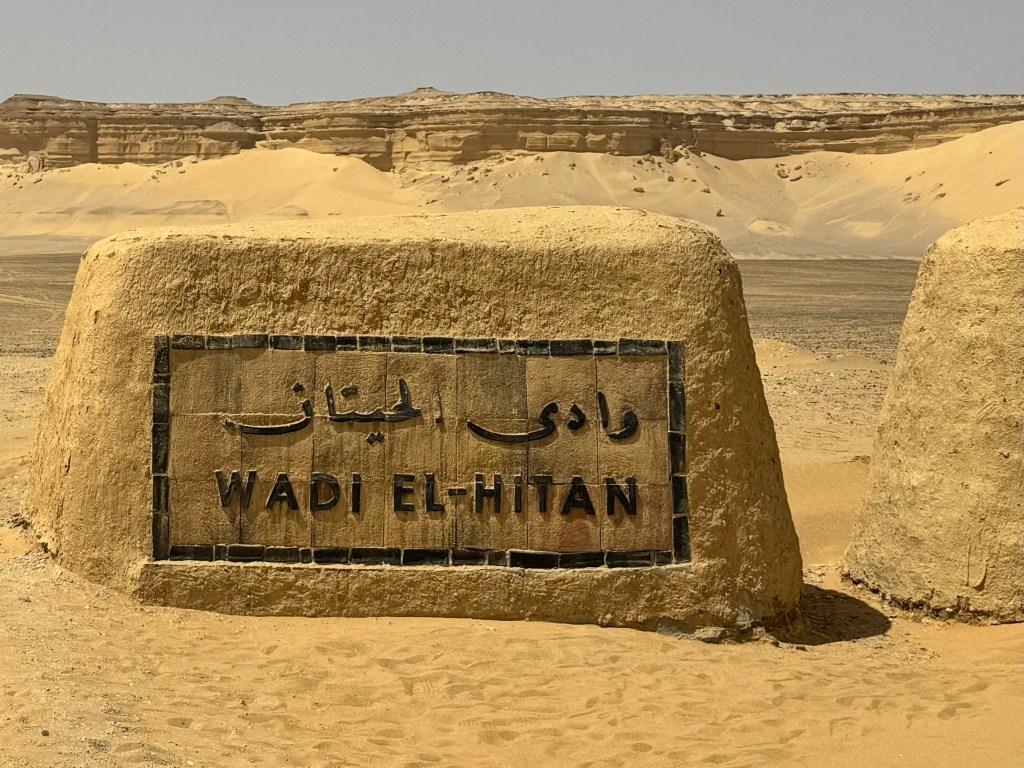
Fossils Beyond Whales: Ancient Life Encased in Stone
While Wadi Al-Hitan is the star, fossils are found across the Western Desert. Dakhla Oasis preserves petrified forests that speak of ancient greenery. Meanwhile, Fayoum contains fish fossils that reveal details of prehistoric ecosystems. Each discovery adds another piece to the puzzle of how climate and landscapes evolved, transforming lush plains into desert over thousands of years.

A Living Laboratory for Science and Travel
For geologists, the Western Desert is a living laboratory. For travelers, it’s a chance to witness Earth’s story in layers of rock, fossils, and fantastical landscapes. Walking among whale bones or standing before chalk spires carved by nature offers a humbling reminder of time’s passage. Visiting responsibly ensures these treasures remain protected for future generations of scientists and explorers.
👉 Every rock and fossil you see is a reminder that the desert is alive with stories millions of years old.
Come to the desert with us and see what you can find! Book now.