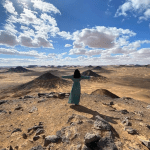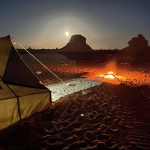

The Western Desert is not just a land of sand and stone — it is home to communities who have thrived here for centuries. Among them are the Bedouins, known for their resilience, hospitality, and deep knowledge of the land. Their way of life reflects an intimate relationship with the desert, shaped by tradition, adaptation, and survival in one of Earth’s harshest environments.
A Heritage Rooted in the Desert
The Bedouins of Egypt trace their ancestry back through generations of nomadic tribes who moved across North Africa and the Middle East. While some families today live in villages or oasis towns like Siwa, Bahariya, and Dakhla, many traditions of nomadic desert life are preserved. From oral storytelling, poetry, and music to herbal medicine and desert navigation, their cultural heritage is a living connection to the past.
Hospitality at the Heart of Bedouin Culture
For Bedouins, hospitality is a sacred duty. Guests are welcomed with tea brewed over a small fire, often flavored with desert herbs. Meals are simple yet nourishing, frequently including fresh-baked bread, dates, and goat or camel milk. Sharing food is not just about sustenance — it is about community, respect, and ensuring no one feels like a stranger in the desert.
Bedouin Skills and Desert Knowledge
Centuries of living in the desert have given Bedouins unmatched survival skills. They can read the stars to navigate, identify water sources hidden beneath the sand, and track animals across dunes. Their knowledge of desert plants provides natural remedies, from calming teas to healing salves. These skills, passed from generation to generation, are both practical and deeply tied to their identity.
Balancing Tradition and Change
Today, many Bedouins combine traditional practices with modern life. Most live in villages or towns, instead of living a nomadic lifestyle. Some, like us, work as guides for desert safaris, sharing their expertise with travelers, while others, especially in places like Siwa Oasis, sell handmade crafts or textiles. Challenges like climate change, urbanization, and shifting economic opportunities mean that Bedouin culture is adapting rapidly. Even so, our values of family, respect for nature, and resilience remain strong.
Why Travelers Value Bedouin Encounters
Meeting Bedouins during a Western Desert journey offers more than just cultural enrichment — it creates meaningful connections. Whether it’s sitting around a campfire listening to stories, learning to bake traditional bread, or riding camels across dunes, these moments allow travelers to experience the desert through the eyes of those who call it home.